Dawn Heiman, AuD
|
May 18, 2011
|
2 min read
It’s not just about the pure tones

When people think of audiologists and hearing tests, they are immediately transported back in time to their days in grade school when the school nurse asked them to raise their hand when they heard the tone. Yes, we do test hearing with pure tones, but only to get an idea of what is heard in the important speech frequencies.The hearing is also assessed with word lists of varying difficulties, depending on the age of the patient and their language abilities. If a hearing loss is identified, then questionnaires can also be given regarding how the hearing loss is REALLY effecting a person’s life outside the walls of the sound booth. With adults, the questions are related to how the patient is hearing and communicating in different situations, ie. television, restaurants, at home, etc. With children, depending on if they have any speech and language skills, the questions are regarding how often they respond to different sounds in their environment, abilities to identify between different people’s voice, and abilities to repeat what they hear. All of these tools are helpful in measuring how much improvement a person is receiving after they have been fit with proper amplification, such as hearing aids or cochlear implants.Looking back, after completing the questionnaire several times over a year, it is interesting to see the progress our patients make. Sometimes it can be difficult to know if the hearing aids or cochlear implants are working, but if we can measure an improvement in the communication abilities it’s certainly a start.
Dawn Heiman, AuD
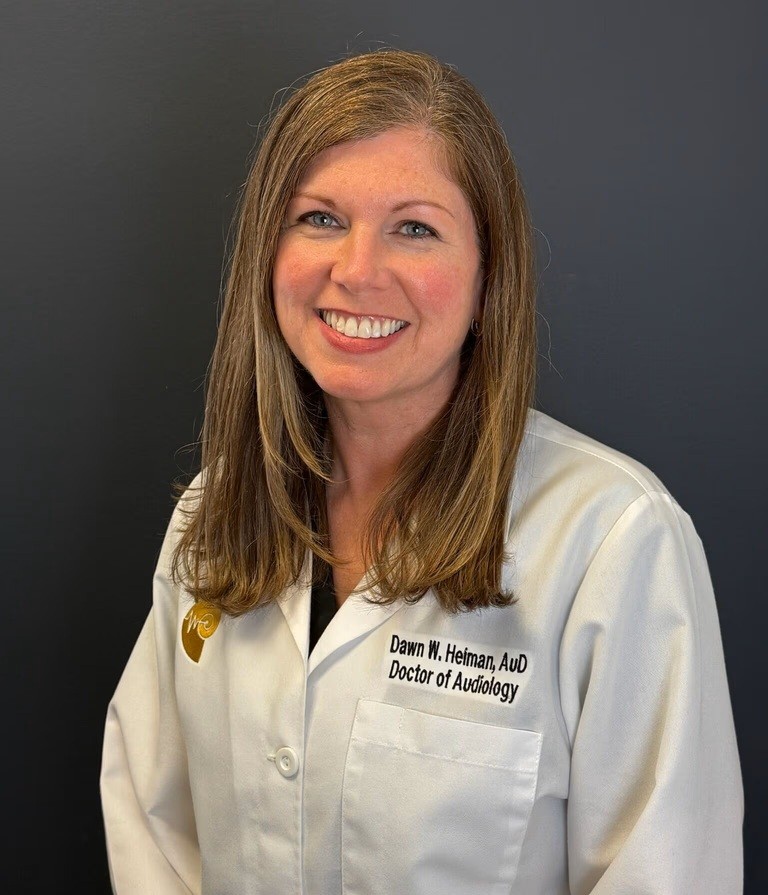
Dr. Dawn Heiman is a licensed Illinois Audiologist. She is a Past President of the Academy of Doctors of Audiology (ADA). She is an Adjunct Professor in the Department of Communication Disorders and Sciences program within the College of Health Sciences at Rush University. Additionally, she is a member of the American Academy of Audiology (AAA) and the Illinois Academy of Audiology (ILAA).
Specializing in hearing aids, tinnitus, and central auditory processing disorders.
Popular Blogs
Dawn Heiman, AuD
|
May 18, 2011
Does Untreated Hearing Loss Cause Dementia: Ear to Brain Connection
Separating fear from facts about the ear–brain connection
Read More
Dawn Heiman, AuD
|
May 18, 2011
The Power of Programs: When Should I Change Programs on my Hearing Aids?
Are you getting the most out of your hearing aid programs? Learn when to switch settings for clearer speech, better music quality, and less background noise.
Read More
Dawn Heiman, AuD
|
May 18, 2011
Why Do Hearing Aids Have Bluetooth, and Do You Need It?
Do hearing aids need Bluetooth to work? Learn how streaming, phone calls, and app control enhance accessibility—without being required for performance.
Read More
Dawn Heiman, AuD
|
May 18, 2011
Are Four Ears Better Than Two? Why a Companion is So Important at Your Appointments
Four ears really are better than two. Learn why bringing a companion to your hearing appointment leads to better understanding, stronger support, and better outcomes.
Read More
